
630-717-7801

Can You Evict a Tenant From a Property You Recently Purchased in Illinois?
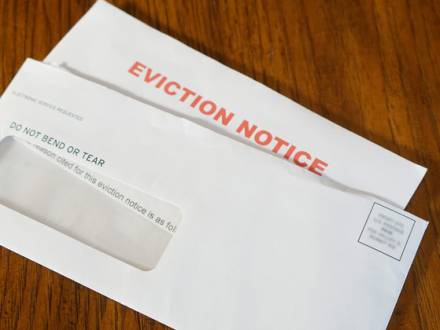
Buying a rental property in Illinois does not automatically give you the right to evict its tenants. An existing lease usually remains in effect, but you may end some tenancies with proper notice. If you purchased a property with tenants in 2026 and need to regain possession, our Naperville, IL landlord eviction lawyers can explain your options.
Does an Existing Lease Stay in Effect After an Illinois Property Sale?
When you buy an occupied rental property, you ordinarily take over the previous landlord's rights and responsibilities. The tenant keeps the agreed rent and lease term. If eight months remain on a valid fixed-term lease, buying the building does not let you demand that the tenant leave immediately.
Review any early termination provision. Oral and month-to-month agreements can also create tenant rights.
Security deposits are especially important. Under 765 ILCS 710/1.1, a new owner is responsible for existing security deposits and prepaid rent, even if the seller does not transfer the money. Address these amounts before closing.
When Can a New Illinois Landlord End a Tenant's Lease?
The reason for ending the tenancy determines the notice required. Under 735 ILCS 5/9-209, a landlord can give a five-day notice demanding overdue rent. Paying the full amount within the notice period prevents eviction based on that demand.
A material lease violation may support a ten-day notice. State law does not automatically give tenants 10 days to fix every violation. Local rules and the lease may give tenants more protection.
For a month-to-month tenancy, Illinois normally requires at least 30 days' written notice, timed to end at the close of a rental period. You do not need to prove misconduct to end a lawful month-to-month tenancy, but you cannot act for an unlawful reason. A fixed-term lease can expire, but accepting rent afterward could create a new tenancy.
How Does the Eviction Process Work After Buying a Property?
A new owner must use the same court process as any other landlord. After serving a valid notice and waiting the required time, you can file an eviction case in the county where the property is located.
The tenant can respond to the lawsuit. If you win, the judge issues an eviction order. Only the sheriff can carry out the physical eviction. The landlord cannot remove the tenant personally.
Court schedules, defenses, and sheriff availability affect timing. You can also ask for unpaid rent in the eviction case. If the court orders the tenant to pay, you might need to take further steps to collect the money.
What Can a New Illinois Landlord Not Do to Remove a Tenant?
Even after buying the building, you cannot force tenants out without following the law. Prohibited conduct can include:
- Changing locks to keep an existing tenant out
- Shutting off water, heat, or electricity to force a move
- Removing a tenant's belongings without legal authority
- Blocking access to the rental unit
- Threatening or harassing a tenant to make them leave
Illinois also prohibits retaliation. Under Illinois law, landlords cannot punish tenants for exercising their legal rights. For example, you cannot end a tenancy because a tenant reported a code violation or requested required repairs in good faith.
Wrongful lockouts or retaliation can lead to lawsuits. Local rules may add protections.
Can You Evict a Tenant After Buying a Foreclosed Property?
Foreclosure purchases have special tenant protections. Under the federal Protecting Tenants at Foreclosure Act, a buyer must ordinarily honor a qualifying tenant's lease until it ends and provide at least 90 days' notice before requiring the tenant to leave.
An owner who will use the home as a primary residence may have an exception but still must give at least 90 days' notice. Qualifying month-to-month tenants also receive 90-day protection. Illinois law adds requirements for certain foreclosure purchases.
What Should You Check Before Buying an Occupied Rental Property?
Review every lease before closing, including any amendments or renewal agreements. Confirm rent, expiration dates, deposits, prepaid rent, and outstanding balances. Ask tenants to sign statements confirming these details when practical.
Check repair requests, code complaints, disputes, and local rental rules. Inspect with proper notice. After closing, tell tenants in writing who owns the property, where to pay rent, and how to request repairs. This helps prevent payment disputes.
Schedule a Free Consultation With Our DuPage County, IL Landlord Eviction Attorney
Attorney Appelman holds a master's degree in forensic psychology, and our attorneys are available by phone 24 hours a day. We help property owners review leases, understand notice requirements, and address disputes through the proper eviction process.
If you purchased a rental property in 2026 and need to end a tenancy or address a lease violation, contact Appelman Law LLC at 630-717-7801 to speak with our Naperville, IL landlord eviction lawyers.


From our office in Naperville, Illinois, we serve clients throughout DuPage County, Kane County, Kendall County, Cook County, and Will County, including Wheaton, Aurora, Downers Grove, Lisle, Aurora, Elgin, St. Charles, Geneva, Batavia, Yorkville, Ottawa, and Plainfield.
Results listed are not a guarantee or indication of future case results.
1560 Wall Street, Suite 304, Naperville, IL 60563
630-717-7801