
630-717-7801

How Should Landlords Prepare Evidence for an Illinois Eviction Hearing?
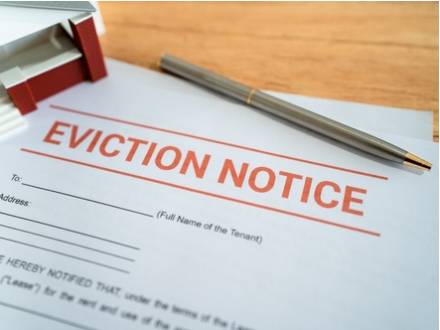 Preparing strong evidence is one of the most important things a landlord can do before an eviction hearing in Illinois. Judges move quickly in eviction court, and a landlord who shows up without the right documents can lose a case they should have won. Knowing what to bring, how to organize it, and what the court needs to see can make a real difference in how your case goes. If you are a landlord facing an eviction hearing in 2026, our DuPage County, IL landlord evictions lawyer can help protect your rights.
What Does a Landlord Need To Prove at an Illinois Eviction Hearing?
In Illinois, a landlord must show that a valid landlord-tenant relationship exists, that the tenant violated the terms of that relationship, and that the landlord followed the proper legal steps before filing for eviction.
The most common grounds for eviction are nonpayment of rent and lease violations. Under 735 ILCS 5/9-209, a landlord must provide proper written notice to the tenant before filing. For nonpayment, that is typically a five-day notice to pay or vacate. For lease violations, it is usually a 10-day notice to quit a lease. Your evidence must show that you gave the right notice, in the right way, with the right amount of time.
What Documents Should a Landlord Bring to an Eviction Hearing in Illinois?
The documents you should bring to an eviction hearing include:
-
The signed lease agreement, including any addenda or renewal agreements
-
The notice you served on the tenant, with a copy of the proof of service
-
A ledger or record showing the tenant's payment history, including all charges and any payments received
-
Any written communications between you and the tenant
-
Photographs or inspection reports that document damage, unauthorized occupants, or other lease violations, if those are the basis for the eviction
-
Any prior notices or warnings you gave the tenant before the situation escalated
Every document you bring should be organized and easy to reference. Judges appreciate landlords who are prepared and can quickly point to the evidence they need.
What Evidence Do You Need for a Nonpayment of Rent Case in Illinois?
If your eviction is based on unpaid rent, your evidence should tell a clear financial story. You need to show exactly how much is owed and why. A well-organized rent ledger is the most important document for this type of case.
Your ledger should show each monthly charge, the date each payment was received, how much was paid, and the running balance. If the tenant made partial payments, those should be reflected accurately. If there are late fees, those should be documented in the lease and shown on the ledger.
Bring the original lease so the judge can confirm the agreed rent amount, the due date, and any late fee provisions. If the tenant paid by check and a check bounced, bring the bank records or notification showing the failed payment.
What Evidence Do You Need for a Lease Violation Case in Illinois?
Lease violation evictions require a different kind of evidence. You need to show that the lease specifically prohibits the conduct you are complaining about, that the tenant engaged in that conduct, and that you gave them notice and an opportunity to fix the problem before filing for eviction.
If the violation involves property damage, bring dated photographs that clearly show the condition of the unit. If possible, have a repair estimate from a licensed contractor. If the violation involves unauthorized occupants or pets, bring any written communications where you raised the issue with the tenant and any responses you received. If the violation involves noise, illegal activity, or other conduct, document what happened, when it happened, and what steps you took to address it before filing.
Can Text Messages and Emails Be Used as Evidence in an Eviction Hearing?
Written communications between you and the tenant are absolutely usable as evidence and can be very helpful. Text messages and emails can show that the tenant acknowledged owing rent, promised to pay, admitted to a lease violation, or ignored repeated notices from the landlord.
Print out any relevant text messages or emails before the hearing and organize them by date. If you are printing from a phone, make sure the contact name and number are visible so the court can confirm who the messages are from. Be ready to explain what the communications show and how they connect to the basis for the eviction.
Schedule a Free Consultation With Our Naperville, IL Landlord Eviction Attorneys
Attorney Brett Appelman opened Appelman Law LLC in 2007 with the goal of providing landlords with strong, practical legal representation. He and his team understand what Illinois courts need to see and how to present your case in the most compelling way. Call 630-717-7801 today to speak with a DuPage County, IL landlord evictions lawyer and help you prepare for your eviction hearing.


From our office in Naperville, Illinois, we serve clients throughout DuPage County, Kane County, Kendall County, Cook County, and Will County, including Wheaton, Aurora, Downers Grove, Lisle, Aurora, Elgin, St. Charles, Geneva, Batavia, Yorkville, Ottawa, and Plainfield.
Results listed are not a guarantee or indication of future case results.
1560 Wall Street, Suite 304, Naperville, IL 60563
630-717-7801