
630-717-7801

Can a Landlord Evict for Partial Rent Payments?
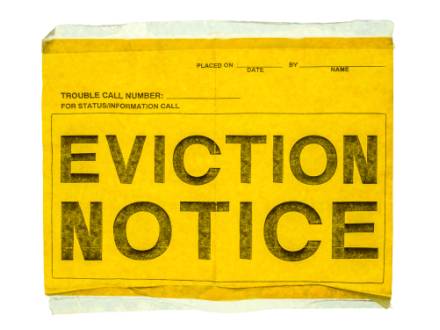 A landlord in Illinois can evict a tenant for paying only part of the rent. Paying something is better than paying nothing, but it does not protect a tenant from eviction if the full amount owed is not paid. As a landlord, you have the right to collect the full rent you are owed under your lease, and Illinois law gives you a clear process to enforce that right. If a tenant is short on rent in 2026, the DuPage County landlord eviction lawyers at Appelman Law LLC are available 24/7 by phone to discuss your legal options.
What Does Illinois Law Say About Partial Rent Payments?
Under the Illinois Eviction Act, 735 ILCS 5/9-209, before you can evict a tenant for not paying rent, you must first give them written notice. This is called a five-day notice. It tells the tenant exactly how much they owe and gives them five days to pay the full amount or move out.
If a tenant tenders only part of what they owe during those five days, that generally does not satisfy the notice requirement. However, landlords should be cautious about accepting partial payments because doing so may affect their ability to proceed with the eviction.
Accepting a partial payment can complicate an eviction case and may, in some circumstances, affect a landlord's ability to proceed based on that particular notice. Before accepting a partial payment during the eviction process, landlords should consider consulting an attorney.
What Steps Do You Need to Follow Before Filing for Eviction?
Illinois law requires you to follow a specific process before you can remove a tenant. If you skip a step or make an error along the way, your case can be dismissed, and you will have to start over. That means more time and more money lost.
First, you serve the tenant with a proper five-day notice that states the exact amount owed. The notice must be served in a manner permitted by Illinois law. If the tenant does not pay the full amount or leave within five days, you can then file an eviction case in the circuit court for the county where the property is located.
In DuPage County, eviction cases are filed in the 18th Judicial Circuit Court. Once the case is filed, the tenant is served with a court summons and given a date to appear before a judge.
What Happens at an Illinois Landlord Eviction Hearing?
At the hearing, you will present your notice, your lease, and your payment records. The judge will review everything and decide whether to grant an order of possession. If the judge rules in your favor, the tenant is given a set number of days to leave. If they do not go voluntarily, you can request that the sheriff carry out the removal. Having clean, organized documentation makes a big difference in how smoothly this goes.
What Can a Tenant Argue to Fight Your Eviction Case in Illinois?
One of the most common defenses to eviction is arguing that you did not follow the proper notice requirements. If the five-day notice was not served correctly or did not include the exact amount owed, the case can be dismissed.
A tenant may also argue that you accepted a partial payment and gave up your right to evict. This is exactly why keeping written records of every payment and every communication is so important.
In some situations, a tenant may argue that serious habitability issues affected their obligation to pay rent or otherwise raise property condition issues as a defense. Illinois law does require landlords to keep rental properties up to a habitable standard, and some local ordinances give tenants specific rights related to repairs. Making sure your property is well-maintained and that you have responded to any repair requests in writing protects you from this kind of argument.
What Should a Landlord Do to Protect Their Eviction Case From the Start?
Keep a written record of every payment the tenant makes, including the date, amount, and how it was paid. Save all written communication between you and the tenant. If you ever have a conversation about rent or the lease, follow it up with an email or a text so there is a record.
If you decide to accept a partial payment during an eviction, get a signed written statement from the tenant confirming that the acceptance does not waive your right to continue the case. The more documentation you have, the stronger your position will be in court.
Working with an attorney before you file gives you the best chance of getting the process right the first time and avoiding costly mistakes that could set your case back.
Schedule a Free Consultation With Our Naperville, IL Landlord Eviction Attorneys
Eviction cases move quickly, and the details matter more than most landlords realize until something goes wrong. Attorney Appelman brings a unique perspective to every landlord case, including a Master's Degree in Forensic Psychology that helps him understand the dynamics at play in tenant disputes, not just the legal issues. Contact the DuPage County landlord eviction lawyers at Appelman Law LLC by calling 630-717-7801. We offer free consultations to help you figure out your next step.


From our office in Naperville, Illinois, we serve clients throughout DuPage County, Kane County, Kendall County, Cook County, and Will County, including Wheaton, Aurora, Downers Grove, Lisle, Aurora, Elgin, St. Charles, Geneva, Batavia, Yorkville, Ottawa, and Plainfield.
Results listed are not a guarantee or indication of future case results.
1560 Wall Street, Suite 304, Naperville, IL 60563
630-717-7801