
630-717-7801

How Do I Fight an Intent to Deliver Drug Charge in Illinois?
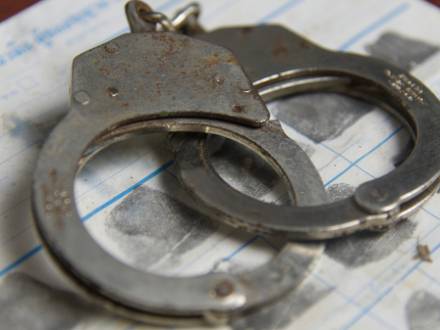 There are several common, meaningful ways to challenge intent to deliver drug charges, and the outcome of your case depends heavily on acting quickly and getting the right legal help. Our Naperville, IL drug crimes defense lawyers understand what is at stake and can help you build the strongest possible defense from day one.
Under 720 ILCS 570/401, it is illegal in Illinois to knowingly possess a controlled substance with the intent to deliver it to another person. This charge is treated far more seriously than simple possession, and the penalties can be severe. But the prosecution has to prove every element of this charge beyond a reasonable doubt, and that is where a skilled defense attorney can make all the difference.
What Is the Difference Between Possession and Intent to Deliver in Illinois?
Simple drug possession means you had a controlled substance on you or nearby. Intent to deliver means the prosecution believes you planned to sell or distribute that substance to someone else. The keyword is "intent," and that is something the state has to prove. They cannot simply point to the fact that you had drugs and assume you were selling them.
Typically, prosecutors must use circumstantial evidence to try to prove intent. That evidence can be challenged. What looks like evidence of drug dealing to a police officer does not automatically hold up in court.
What Does the Prosecution Use To Try To Prove Intent in a Drug Case?
Common pieces of evidence prosecutors use to argue intent to deliver include:
-
The quantity of the substance found, with larger amounts suggesting distribution rather than personal use
-
The way the drugs were packaged, such as multiple small bags or individually wrapped portions
-
The presence of scales, baggies, or other packaging materials
-
Large amounts of cash, especially in small bills
-
Text messages or phone records suggesting drug transactions
-
Testimony from a confidential informant or undercover officer
None of these items, on their own or even together, automatically proves intent. Each one can be questioned, challenged, or explained. Your attorney will look closely at how this evidence was obtained and whether it actually supports the prosecution's theory.
How Can an Intent to Deliver Charge Be Challenged in Illinois?
There are several strong defense strategies that an experienced attorney will evaluate based on the specific facts of your case.
Was the Search Legal?
One of the most powerful defenses in any drug case is challenging whether the police had the legal right to search you, your car, or your home in the first place. The Fourth Amendment upholds your constitutional right to protection from unreasonable searches and seizures. If police searched you without a valid warrant, without probable cause, or without a recognized legal exception, any evidence they found may be suppressible. If the drugs are thrown out, the prosecution's case often falls apart entirely.
Can the State Actually Prove Intent?
The prosecution has to show that you intended to deliver the drugs, not just that you had them. If the amount found is consistent with personal use, or if there are no other indicators of distribution, an attorney can argue that the drugs were for personal consumption. In many cases, getting a charge reduced from intent to deliver down to simple possession can mean the difference between years in prison and a much more manageable outcome.
Is the Evidence Reliable?
Drug evidence must be properly collected, stored, and tested. If there are any gaps or problems in the chain of custody, meaning how the evidence was handled from the time it was seized to the time it was tested, those problems can call the results into question. Lab testing errors are also real, and a skilled defense attorney will review whether the substance was properly identified and whether the testing was done correctly.
Were Your Rights Violated During Questioning?
If you were questioned by police without being read your Miranda rights, or if you made statements under pressure without an attorney present, those statements may be inadmissible. Anything said during an unlawful interrogation can potentially be suppressed, which weakens the prosecution's case.
Schedule a Free Consultation With Our DuPage County, IL Drug Crimes Defense Lawyers
An intent to deliver charge can feel overwhelming, but you do not have to face it alone. The earlier you get legal help, the more options you are likely to have. Call 630-717-7801 today. Our Naperville, IL drug crimes defense attorneys are available by phone 24/7.


From our office in Naperville, Illinois, we serve clients throughout DuPage County, Kane County, Kendall County, Cook County, and Will County, including Wheaton, Aurora, Downers Grove, Lisle, Aurora, Elgin, St. Charles, Geneva, Batavia, Yorkville, Ottawa, and Plainfield.
Results listed are not a guarantee or indication of future case results.
1560 Wall Street, Suite 304, Naperville, IL 60563
630-717-7801