
630-717-7801

Charged With Drug Possession for Someone Else’s Drugs?
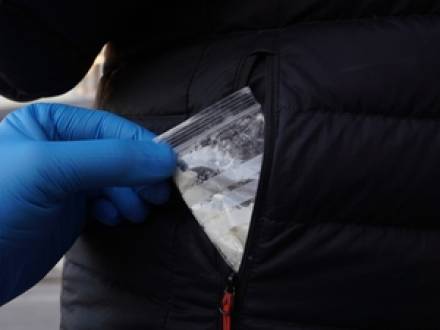 You can be charged with drug possession in Illinois if the drugs belonged to someone else. The law focuses on whether you knew about the drugs and had control over them, not who actually owned them. This can feel deeply unfair, especially if you had no idea drugs were even in your car, home, or bag. If you’re facing possession charges in 2026, our Naperville, IL drug crimes defense lawyer can help you fight back against a charge that doesn't reflect what actually happened.
What Does Illinois Law Actually Require for a Possession Charge?
Illinois defines drug possession under the Illinois Controlled Substances Act, 720 ILCS 570/402. The charge generally requires the state to prove two things: that you knew the drugs were present, and that you had control over them. This second part is called constructive possession, and it doesn't require that the drugs were physically on you.
What Is the Difference Between Actual and Constructive Possession?
Actual possession means the drugs were found directly on your body, like in your pocket or your hand. Constructive possession is different. It applies when drugs are found somewhere you have access to or control over, such as a shared car, apartment, or backpack.
Many charges involving someone else's drugs fall into this second category, since prosecutors often rely on your proximity to the drugs rather than direct evidence that they were yours. This distinction is very important, since constructive possession cases tend to be much easier to challenge than cases involving actual possession.
What Defenses Can Help if the Drugs Weren't Yours?
Several defenses commonly apply in cases involving someone else's drugs. Sometimes, more than one can apply to your case.
Lack of Knowledge
If you genuinely didn't know the drugs were present, this can be a strong defense. This often applies when drugs are hidden in a shared vehicle, tucked into a bag you borrowed, or left behind by a passenger or roommate without your awareness.
Lack of Control
Even if you knew drugs were somewhere nearby, the state still has to show you had actual control over them. Being a passenger in someone else's car, for example, doesn't automatically mean you controlled what was in the glove compartment or trunk.
Ownership by Another Person
Sometimes another person is willing to admit the drugs were theirs. Evidence like fingerprints, packaging, or witness statements can could also point to someone else. This kind of evidence can directly undercut the state's ability to prove the drugs were under your control.
Illegal Search or Seizure
If police found the drugs through an illegal search, such as searching your car or home without a warrant, proper consent, or valid legal justification, your attorney can file a motion to suppress that evidence. If the evidence gets excluded, the state often has little left to support the charge.
What Evidence Can Help Show the Drugs Weren't Yours?
Building a strong defense often depends on gathering the right evidence early. Helpful evidence can include:
- Text messages or other communication showing who the drugs actually belonged to
- Witness statements from passengers, roommates, or others present
- Evidence about who had recently used or had access to the vehicle or space
- Lack of fingerprints or other physical evidence connecting you to the drugs
The sooner this kind of evidence is identified and preserved, the stronger your defense tends to be.
What Should You Do if You're Charged With Possessing Someone Else's Drugs?
If you find yourself facing this kind of charge, avoid discussing the details with anyone besides your attorney. That includes friends, family, or on social media. Write down your own account of what happened while it's still fresh, including who else had access to the space where the drugs were found. Avoid making any statements to police without legal guidance first, since even an innocent explanation can sometimes be misunderstood or used against you later.
Schedule a Free Consultation With Our DuPage County Drug Possession Defense Attorneys
Remember, facing charges does not mean you will be convicted. With proper guidance, you can fight the allegations. Attorney Brett Appelman holds a Master's Degree in Forensic Psychology, giving him added insight into how these cases get built and how juries and judges tend to interpret evidence of knowledge and control. He will fight aggressively to protect your rights.
Contact Appelman Law LLC at 630-717-7801 to talk to our Naperville, IL drug crimes defense lawyers today. Attorneys are available by phone 24/7, so you're never left waiting to get answers about your case.


From our office in Naperville, Illinois, we serve clients throughout DuPage County, Kane County, Kendall County, Cook County, and Will County, including Wheaton, Aurora, Downers Grove, Lisle, Aurora, Elgin, St. Charles, Geneva, Batavia, Yorkville, Ottawa, and Plainfield.
Results listed are not a guarantee or indication of future case results.
1560 Wall Street, Suite 304, Naperville, IL 60563
630-717-7801